Picture yourself on a football pitch. Your lungs burn as you sprint, stop, pivot and then sprint again as you chase down the ball. Sweat runs down your temples, your jersey clings to your skin and by the final whistle, you’re exhilarated, but also incredibly thirsty.
Now think about a different kind of session. You’re in a quiet, heated studio, holding active, dynamic poses that provide a deep stretch. When you start feeling the effort, you pause, take a small sip of water and then settle back into the asana. After class, you feel refreshed and reinvigorated, rather than urgently scrambling for a drink.
Though football and hot yoga may seem like polar opposites in physical demand, they are both fitness options that generate a high degree of fluid loss through sweat.
However, the way you feel after each of these isn’t accidental. It’s your body responding to very different hydration demands. How hot it is, how hard you’re pushing and how long you’re moving are all factors that shape how quickly you lose fluids and essential electrolytes. For anyone with an active lifestyle, this matters because a small dip can show up as sluggish thoughts, heavier limbs and a noticeable drop in momentum.
Have you ever stopped to wonder which sports and activities actually lead to more fluid loss – and why? Let’s get into it.
Which activities top the sweat charts (ranked)
Not all workouts are the same. Some activities quietly siphon your fluid levels, while others drain them fast, especially in heat and humidity. Activities higher on this list place greater demands on hydration due to sweat and heat, where electrolyte replenishment becomes more relevant. Lower-ranked activities typically involve less fluid loss, where everyday hydration is usually sufficient.
Here’s how common activities stack up, from the ones leading to the most fluid loss to the least.
1. Endurance Sports: Triathlons, Marathons and Long-Distance Cycling

When you’re pushing yourself for long periods of time, your body has a harder time regulating temperature, and both fluid and electrolytes are lost faster than many people expect. Careful preparation and a thoughtful refuelling and rehydration plan throughout the course is needed to ensure your body doesn’t crash in the middle of the session. These conditions increase the need for structured hydration and electrolyte replacement to maintain performance and recovery.
2. High-Intensity Team Sports: Football, Rugby, Netball and Ultimate Frisbee

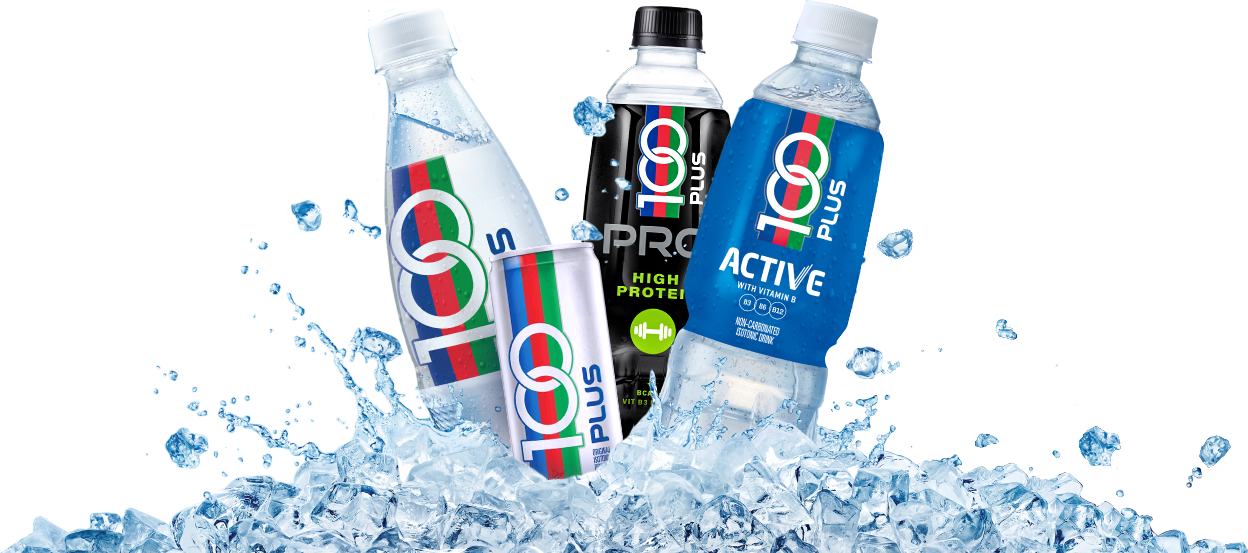
Run, Perform, Repeat. Team field sports demand explosive effort with little recovery time, driving sweat rates up. One study on fluid intake and pre-season training found that athletes struggle to keep up with their hydration needs during sessions, an issue that can impact running performance. So if you’re looking for ways to boost your performance on the pitch, creating a smart rehydration plan that prioritises isotonic drinks like 100PLUS Active that help replace electrolytes might be a good place to start. Creating a smart rehydration plan that prioritises electrolyte replacement can support performance and recovery during demanding sessions.
3. Heated Studio Classes: Yoga and Spin

Turning up the temperature changes everything. In heated studio formats, indoor heat increases sweat loss regardless of whether movements are slow and controlled or fast and dynamic. Extended sweating when your body is undergoing heat stress increases fluid and electrolytes loss, making post-session rehydration especially important – even if you’re feeling great because you managed to crush the workout itself.
4. Racquet Sports: Tennis, Badminton, Squash and Pickleball
Short rallies, fast footwork and minimal cool-down time keep sweat rates high on the court. Fluid and electrolyte loss can build up across matches or tournament days, affecting endurance and recovery more than players realise. This calls for a smart rehydration plan that can help replace what the body has lost amidst all that effort.
5. Interval-Based Training: HIIT, Circuit and Functional Fitness

High-intensity workouts place real demands on the body. As your heart rate spikes, sweat loss increases rapidly — even during shorter sessions. Without timely fluid replacement, electrolyte loss can impair performance and recovery. During and after these activities, isotonic drinks are the most effective solution, delivering fluids and electrolytes in a concentration the body absorbs quickly, helping restore balance and keep you performing at your best. When intensity is high, rehydration isn’t a choice — it’s essential.
6. Mindful Movement: Pilates and Mobility Work
Here’s the good news: not all movement drains fluids quickly. Slower, controlled practices that occur indoors usually place far less strain on the body’s cooling system. Sweat loss rate is closely tied to exercise intensity — meaning non-heated studio sessions typically call for everyday hydration rather than specialised recovery strategies.
When You Should Reach for an Isotonic Drink
Water does the basics. But when sweat loss ramps up during long matches, multi-hour sets or heated sessions, you’re losing the very fluids and electrolytes that keep your head in the game.
That’s where isotonic drink benefits come in. These drinks absorb efficiently into your body while replacing important electrolytes and carbohydrates. A hydration routine that combines water and isotonic beverages supports smoother rehydration and provides a subtle performance boost during prolonged workouts.
Although you usually do not need multiple isotonic drinks throughout the day, isotonic options like 100PLUS are useful before, during or after extended, high-effort or heat-heavy days.
Smart Hydration for the Active Individual
- Match hydration to the workout, not the vibe
Prioritise fluid and electrolyte replacement after long or hot workouts, or any time you’re sweating heavily. - Notice the early signals
Slight brain fog, unexpected fatigue or heavier breathing can show up before performance drops. These cues often mean your body is starting to dehydrate and needs a boost. - Recover smart, don’t “catch up”
Instead of compensating later with large volumes of water, focus on timely rehydration before, during and after sweat-heavy activity. It’s easier on the body and supports smoother recovery. - Electrolytes matter when effort stacks up
When sessions stretch beyond 45 minutes in heat or intensity, electrolytes help maintain fluid balance and muscle function.
Some workouts make you lose fluids faster than others – but the sport itself is not the only factor. Intensity, how long you’re moving, your personal preparation through diet and rest, and the environment (especially heat and humidity!) all play a role in your hydration levels.
By tuning into these factors and using isotonic drinks when effort or heat increases, you can support steady performance and long-term hydration to efficiently fuel your active lifestyle.