In this part of the world, you feel the heat during every workout. Whether you’re running through Marina Bay at sunrise, cycling the rolling roads of Putrajaya, hiking the lush trails of Bali, or grinding through a triathlon in Cebu, the air is thick, the sun is intense, and your body works hard to stay cool.
In Southeast Asia’s climate, performance isn’t just about how hard you train. It’s about how well you manage heat, fuel your body and recover consistently.
For both seasoned athletes and fitness enthusiasts, performance in tropical conditions depends on three fundamentals: hydration, nutrition, and rest. When these elements work together, athletes can train longer, stay ahead of fluid and electrolyte loss, maintain focus, and adapt more effectively to heat stress.
1. Staying Properly Hydrated
Anyone who has trained in Southeast Asia knows the feeling: sweat starts early, flows fast, and doesn’t let up, even when you’ve stopped moving. Athletes in hot, humid climates lose more fluid and electrolytes than those in cooler environments. This impacts stamina, focus, and your body’s temperature control during endurance training for sports or races, including:
- Half and full marathons
- Long-distance cycling
- Trail running
- Ironman and triathlon events
- Dragon boat racing
- HYROX
- Football and ultimate frisbee tournaments
- High-intensity hiking
The combination of heat and humidity amplifies with every heartbeat and every step. This is where athletes should strategically plan their hydration in hot weather.
Here are a few mindful habits to meet your hydration needs:
- Notice how much you sweat during outdoor activities like long-distance cycling or hiking. The more you sweat, the more you need to rehydrate.
- Remember to hydrate with 500ml of water or a sports drink at least two hours before intense workout sessions.
- Keep water as your go-to for shorter or lighter workouts, and use isotonic options for prolonged, high-intensity or heat-heavy sessions.
- Pay attention to early signs of dehydration, such as dizziness or mental fog.
2. Isotonic Support: Replacing What Heat Takes Away
A well-formulated isotonic drink offers two key drink benefits:
- Electrolyte replenishment — especially sodium and potassium, which are essential for muscle function and nerve signalling.
- Carbohydrates — a quick-access energy source that helps delay fatigue during longer sessions.
Athletes performing in tropical climates absorb fluid more efficiently when it contains electrolytes. This matters when you’re pushing through the last 5KM of a marathon on a scorching Kuala Lumpur morning, a humid evening football match in Bangkok, or a long brick session for triathlon training in Manila.
Each scenario involves prolonged sweat loss, and smart fluid replacement supports sustained output and sharper focus. Replacing fluids alone is not enough; replenishing electrolytes and energy helps sustain performance when heat stress accumulates.
3. Nutrition: Fueling Endurance Beyond the Bottle

Hydration works best when supported by proper nutrition. In hot environments and prolonged activity, the body relies heavily on carbohydrates to sustain effort, while protein and micronutrients support muscle repair and immune function.
An effective endurance strategy in Southeast Asia includes regular, balanced meals that replenish energy stores depleted by long, sweaty sessions.
Skipping meals or under-fuelling can amplify fatigue, slow recovery, and make subsequent workouts feel harder than they should.
By aligning fluid intake with consistent fuelling — before and after training — athletes create a more resilient system that performs better under heat stress.
4. Rest and Recovery: Adapting to Repeated Heat Exposure

Hydration and nutrition set the stage, but rest is where adaptation happens. After intense or prolonged training in the heat, the body continues working to cool down, rebalance fluids, and repair stressed muscles.
Scientific findings show that sodium-enhanced beverages support faster fluid restoration post-exercise. However, without adequate rest and quality sleep, recovery remains incomplete.
For athletes training regularly in tropical climates, rest days, sleep, and structured recovery sessions are essential. They allow the body to adapt to heat exposure, reduce accumulated fatigue, and maintain consistent performance across the week.
Putting It All Together: An Endurance Strategy for Southeast Asia
On lighter activity days, water intake and regular meals are usually sufficient. But when sessions extend, humidity rises, or sweat rates spike, a more deliberate approach is needed.
Think of endurance in Southeast Asia as a system:
- Hydrate according to sweat loss and session intensity
- Fuel the body with carbohydrates and balanced meals
- Prioritise recovery through rest, sleep, and rehydration
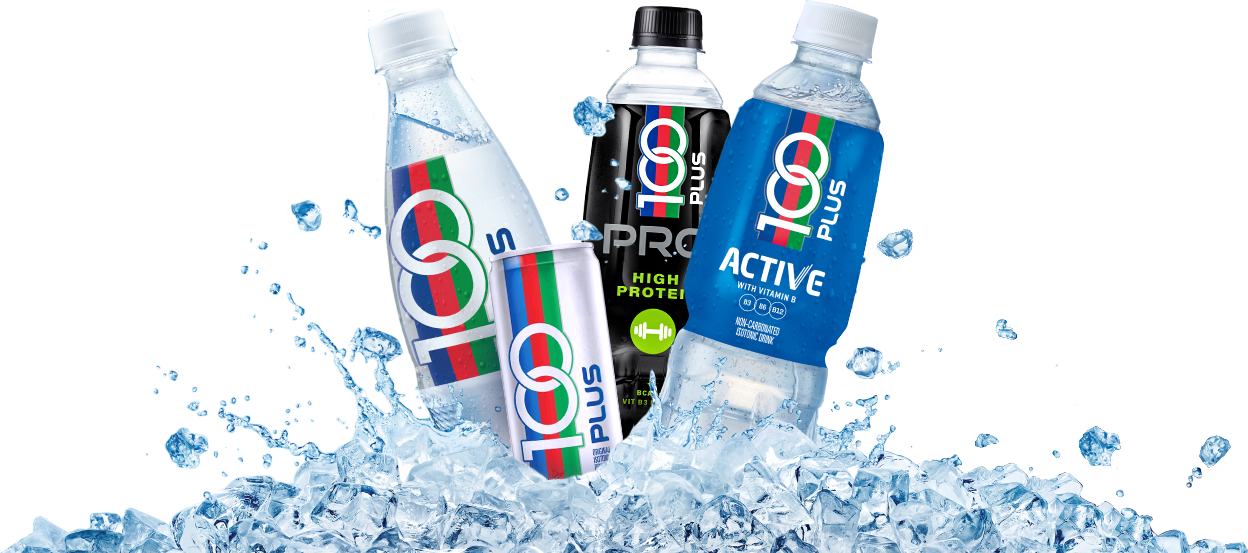
This is where isotonic drinks like 100PLUS fit naturally, offering targeted hydration support during long, high-effort sessions when electrolyte and energy demands are higher, especially helpful in Southeast Asia’s intense heat. Whenever you need it, 100PLUS complements your training, strengthens your routine, and helps you stay ready for the next run, ride or race.